

The postpartum period is a transformative time in a mother’s life, filled with both joy and challenges. While it’s often depicted as a time of happiness, the reality is that many mothers experience emotional struggles during this phase. Postpartum depression is one such challenge that can significantly impact a mother’s mental health and overall well-being.
Understanding what postpartum depression is and recognizing its signs and symptoms is essential for mothers and their loved ones. Early identification, combined with professional help and support, can make a critical difference in navigating this condition and fostering recovery. This blog will provide vital insights to empower mothers and promote awareness around this often misunderstood condition.
What is Postpartum Depression? Defining the Condition
Postpartum depression (PPD) is a medical condition that affects many women after childbirth. It is a type of depression that goes beyond the temporary mood swings commonly referred to as “baby blues.” While baby blues typically occur within the first few days after delivery and last for about two weeks, symptoms of postpartum depression are more severe, persistent, and can appear any time during the first year after childbirth.
Unlike the baby blues—which are marked by feelings of sadness, irritability, and fatigue—postpartum depression significantly impacts a mother’s ability to function and care for herself or her baby. Symptoms can include intense feelings of sadness or despair, overwhelming fatigue, difficulty bonding with the baby, sudden loss of appetite or overeating, trouble sleeping, frequent crying spells, and feelings of guilt, worthlessness, or inadequacy. Some women may also experience anxiety, panic attacks, or disturbing thoughts of harming themselves or their baby.
Postpartum depression is more than an emotional or mental health challenge—it can affect every aspect of a mother’s life, including her relationships and overall well-being. If left untreated, it may lead to long-term complications for both mother and child, such as difficulty forming a secure parental bond or developmental delays in the baby.
It is important to recognize that postpartum depression is not a reflection of a mother’s character or abilities. It is a common and treatable condition. Seeking support from health professionals, family, and community resources can make a vital difference in recovery.
Related: How to Co-Parent Effectively After Divorce with Therapy-Based Strategies
Causes and Risk Factors for Postpartum Depression
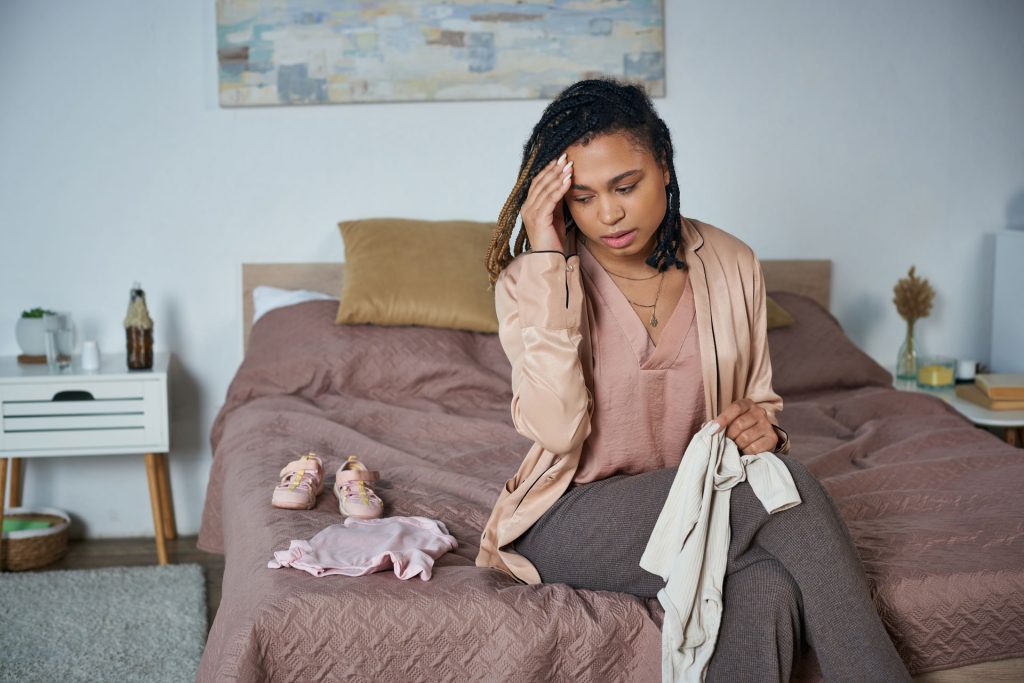
Postpartum depression (PPD) can affect any mother, regardless of her background or circumstances. While the exact cause is not fully understood, it is believed to result from a combination of physical, emotional, and environmental factors. Understanding these can help women and their loved ones identify early signs and seek timely help.
Common Causes:
- Hormonal Changes: A sudden drop in estrogen and progesterone levels after childbirth can contribute to mood swings and depression. Additionally, thyroid hormone fluctuations may result in fatigue and emotional instability.
- Sleep Deprivation: The physical and emotional demands of caring for a newborn can lead to chronic fatigue, reducing a mother’s ability to cope with stress.
- Anxiety and Stress: Worries about parenting abilities, financial pressures, or relationship changes can significantly impact emotional well-being.
- Self-Image Issues: Feeling less attractive, experiencing body changes, or struggling with loss of identity after childbirth can affect mental health.
Risk Factors:
- Personal or Family History of Depression: Women with a history of depression, anxiety, or premenstrual dysphoric disorder (PMDD) are at higher risk.
- Complications in Pregnancy or Delivery: Physical challenges such as premature birth, pregnancy loss, or health problems in the baby can intensify stress.
- Life Stressors: Single motherhood, lack of social or financial support, or recent traumatic events increase vulnerability.
- Multiple Births: Caring for twins or triplets often amplifies emotional and physical demands.
- Breastfeeding Difficulties: Struggles with breastfeeding may contribute to feelings of inadequacy or failure.
Recognizing these causes and risk factors can help mothers address concerns with their healthcare provider, ensuring early intervention and support.
Related: Understanding the Impact of TMS Therapy on Mental Health in Los Angeles
Common Signs and Symptoms of Postpartum Depression
Postpartum depression (PPD) manifests in various physical, emotional, and behavioral symptoms, often mistaken for the “baby blues.” However, unlike the baby blues, which typically resolve in two weeks, PPD symptoms are more intense and persistent. Recognizing these signs is crucial for seeking timely support and care.
Emotional and Mood-Related Symptoms:
- Persistent sadness or feelings of hopelessness.
- Frequent crying, sometimes for no clear reason.
- Severe mood swings ranging from irritation to despair.
- Feelings of guilt or shame, often linked to self-perceived inadequacy as a mother.
- Difficulty bonding with the baby, accompanied by feelings of detachment or indifference.
Behavioral and Physical Symptoms:
- Changes in sleep patterns, such as insomnia or oversleeping, even when the baby is asleep.
- Loss of appetite or binge-eating, leading to noticeable weight changes.
- Chronic fatigue or lack of energy, making daily tasks feel overwhelming.
- Loss of interest in activities once enjoyed, including spending time with loved ones.
- Difficulty concentrating, making decisions, or focusing.
Extreme Symptoms and Warning Signs:
- Severe anxiety or panic attacks, sometimes manifesting in racing thoughts or uncontrollable worry.
- Thoughts of self-harm or fear of harming the baby.
- Feelings of worthlessness, questioning whether they are a “good” parent.
These symptoms can significantly disrupt a mother’s ability to care for her baby and herself. If you or someone close to you is experiencing these signs, reach out to a healthcare provider. Early intervention and appropriate treatments, such as therapy or medications, can provide relief and foster recovery.
Related: What Makes Dialectical Behavior Therapy Effective
Recognizing the Difference Between Postpartum Depression and Baby Blues

Understanding the distinction between postpartum depression (PPD) and baby blues is crucial for mothers and their families. Both conditions affect a woman’s emotional state after childbirth but differ significantly in duration, symptoms, and severity.
Baby Blues:
- Timeline: The baby blues typically begin within 2-3 days after delivery and fade within two weeks.
- Symptoms:
- Mood swings and irritability.
- Crying spells with no clear cause.
- Mild anxiety and restlessness.
- Feeling overwhelmed or fatigued.
- Trouble concentrating and minor appetite changes.
- Severity: Symptoms are short-lived and relatively mild, often improving without any medical intervention.
Postpartum Depression (PPD):
- Timeline: PPD can emerge within weeks of giving birth or even months later and may persist for a year or more if untreated.
- Symptoms:
- Persistent sadness, hopelessness, or feelings of worthlessness.
- Frequent crying that does not improve with time.
- Difficulty bonding with the baby or feelings of detachment.
- Intense fatigue, sleep disturbances, or changes in appetite.
- Withdrawal from loved ones or lack of interest in activities once enjoyed.
- Severe anxiety, panic attacks, or disturbing thoughts of self-harm or harm to the baby.
- Severity: PPD often disrupts daily life and requires medical care, such as therapy or medication.
Recognizing these differences is critical. While baby blues resolve on their own, PPD needs proactive attention. If symptoms intensify or linger beyond two weeks, it is important to consult a healthcare provider to ensure the well-being of both mother and baby.
Related: Overcoming Anxiety: Treatment Strategies
Treatment Options for Postpartum Depression
Managing postpartum depression (PPD) is vital for a mother’s well-being and her ability to care for her baby. Fortunately, several treatment options are available, offering mothers a pathway to recovery. Here are the main approaches:
- Psychotherapy (Talk Therapy)
- Therapy, such as cognitive-behavioral therapy (CBT) or interpersonal therapy, helps mothers understand and manage their emotions.
- CBT focuses on identifying and challenging negative thought patterns, while interpersonal therapy addresses relationship and self-esteem issues arising from motherhood.
- Family or couples therapy may also enhance the support system and improve communication.
- Medication
- Antidepressants, including SSRIs (e.g., sertraline or fluoxetine), are often prescribed. They help balance brain chemicals that affect mood.
- Healthcare providers ensure medications are safe during breastfeeding, weighing the benefits against potential risks.
- For severe cases, newer treatments like brexanolone (an IV infusion) or the recently approved oral medication zuranolone offer targeted relief.
- Lifestyle Adjustments
- Regular physical activity, such as walking, can reduce symptoms of depression by releasing endorphins.
- Healthy eating practices, avoiding alcohol, and ensuring adequate hydration support emotional and physical health.
- Mothers are encouraged to accept help, rest when possible, and simplify daily responsibilities to reduce stress.
- Support Groups
- Engaging with other mothers experiencing PPD can provide comfort and shared coping strategies.
These options often work best in combination. Early treatment is key to relief and helps mothers regain confidence in their role. Always consult with a healthcare provider for a tailored plan.
When and How to Seek Professional Help
Recognizing when to seek professional help for postpartum depression (PPD) is vital for your recovery. Left untreated, PPD can impact not only your well-being but your ability to bond with your baby. Here’s when it’s time to reach out:
- Symptoms Persist Beyond Two Weeks
If sadness, anxiety, or fatigue linger beyond two weeks post-delivery and do not improve, it may be more than just “baby blues.” - Difficulty Managing Daily Life
If caring for your baby, attending to personal needs, or completing simple tasks feels overwhelming, professional intervention is crucial. - Thoughts of Self-Harm or Harm to Your Baby
Suicidal thoughts or compulsive fear of harming your baby signal the need for immediate help. Seek care without delay. - Extreme Anxiety or Panic Attacks
Constant worry, racing thoughts, or physical symptoms like rapid heartbeat and trembling suggest more severe anxiety requiring treatment. - Feeling Detached or Uninterested
A lack of bonding with your baby or disinterest in activities you once enjoyed can be a sign of PPD. Counseling may help re-establish emotional connections.
At the Los Angeles Therapy Institute, we specialize in providing compassionate and effective therapy for postpartum depression. With convenient offices in Orange County and Santa Monica, we’re committed to supporting mothers on their path to recovery. Whether through tailored talk therapy or expert guidance, we’re here to help you take the first step toward healing. Reach out to us today for the supportive care you deserve.