
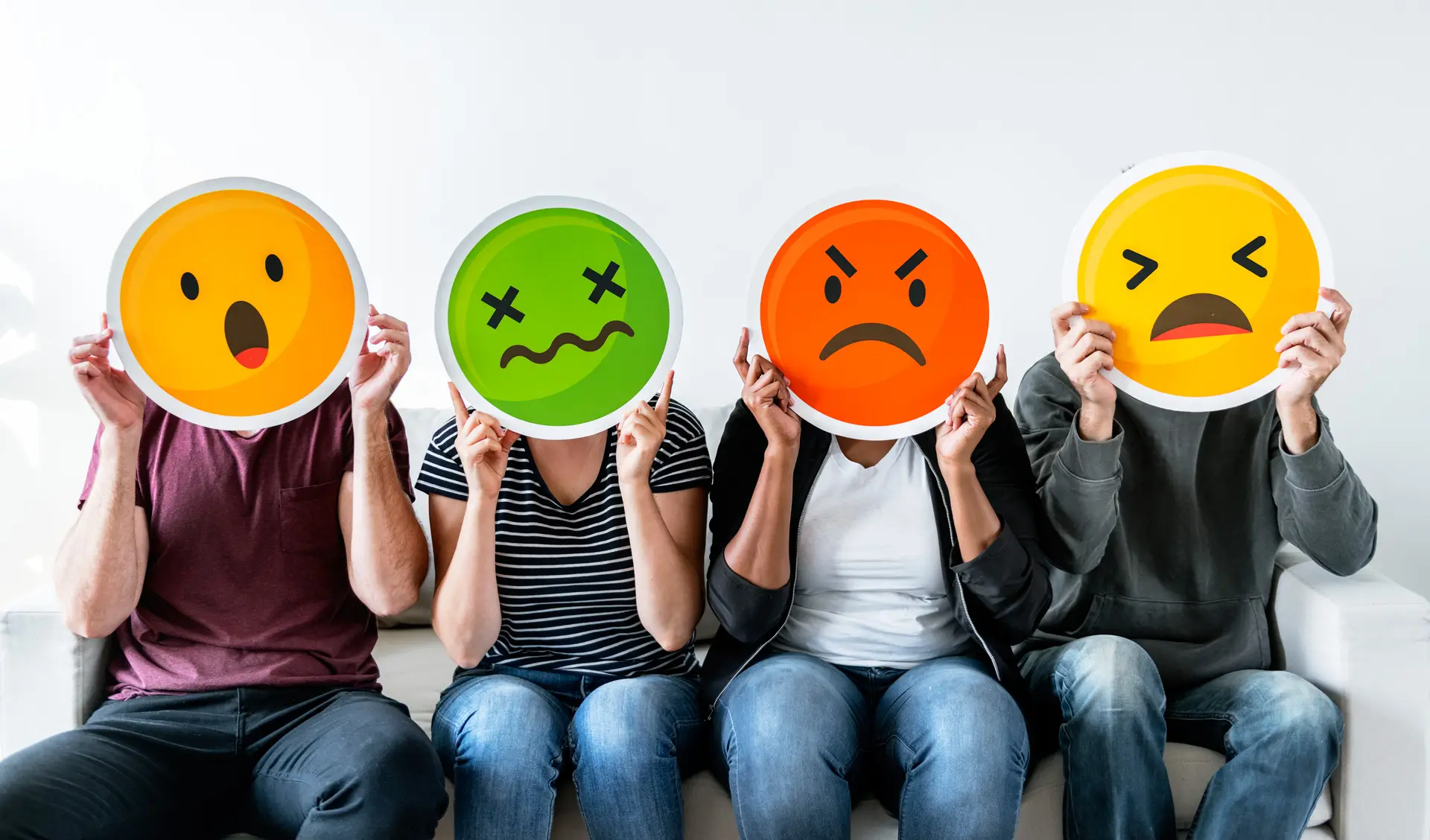
Emotional regulation skills help people manage stress, respond thoughtfully to challenges, and make better decisions throughout the day. When emotions are understood and handled effectively, it becomes easier to think clearly, communicate calmly, and avoid impulsive reactions that can create long-term problems. Developing emotional regulation skills can improve relationships, workplace performance, mental well-being, and overall confidence in daily life.
Every day involves hundreds of decisions, from how to respond during stressful conversations to how to handle responsibilities, conflicts, and unexpected setbacks. While logic plays an important role in decision-making, emotions often influence choices more than people realize. Strong emotional reactions can lead to impulsive behavior, avoidance, or difficulty focusing, especially during moments of stress or uncertainty.
For adults seeking healthier coping strategies and improved emotional well-being, emotional regulation skills provide an essential foundation for clearer thinking and more balanced decision-making. These skills help individuals recognize emotional triggers, manage overwhelming feelings, and respond intentionally instead of reacting automatically. Whether someone is navigating workplace pressure, family dynamics, relationship challenges, or personal stress, emotional regulation can improve both immediate choices and long-term outcomes.
Mental health professionals often emphasize emotional awareness because emotions affect communication, relationships, productivity, and self-confidence. By learning how to regulate emotions effectively, individuals can strengthen resilience, reduce conflict, and create healthier daily habits that support overall mental wellness.
What Are Emotional Regulation Skills and Why Do They Matter?
Emotional regulation skills refer to the ability to recognize, understand, and manage emotional responses in healthy and productive ways. These skills do not involve suppressing emotions or pretending difficult feelings do not exist. Instead, they help individuals process emotions thoughtfully so reactions align with personal goals, values, and responsibilities.
Without emotional regulation, strong emotions can interfere with judgment and lead to decisions driven by frustration, fear, anxiety, or anger. For example, someone experiencing stress at work may respond defensively during conversations, avoid important responsibilities, or make rushed choices without fully considering consequences. Over time, these emotional reactions can damage relationships, increase stress levels, and create patterns of unhealthy behavior.
Developing emotional regulation skills allows individuals to pause before reacting. This pause creates space to evaluate situations more objectively and choose responses that support healthier outcomes. Emotional regulation also improves emotional awareness, helping people identify triggers and understand why certain situations feel overwhelming.
These skills are especially important because emotions affect nearly every aspect of daily life. Financial decisions, parenting choices, communication with partners, workplace interactions, and personal boundaries are all influenced by emotional states. When emotions remain unmanaged, decision-making often becomes reactive instead of intentional.
Therapeutic approaches frequently focus on strengthening emotional regulation because these skills support mental resilience and long-term emotional stability. As individuals improve emotional regulation, they often notice greater patience, increased confidence, and stronger problem-solving abilities in everyday situations.
Related: How Family Therapy Helps Teens and Parents Speak the Same Language
How Do Emotional Regulation Skills Reduce Impulsive Decision-Making?
Impulsive decisions often happen when emotions become stronger than logical thinking. During moments of anger, stress, fear, or excitement, the brain naturally prioritizes immediate emotional relief over long-term outcomes. Emotional regulation skills help interrupt this pattern by encouraging thoughtful responses instead of automatic reactions.
When people experience overwhelming emotions, they may say things they regret, overspend money, avoid responsibilities, or make sudden choices without fully considering consequences. Emotional regulation creates an opportunity to slow down and evaluate situations more carefully before acting. This process helps reduce emotionally driven decisions that can negatively affect relationships, finances, work performance, and personal well-being.
Several emotional regulation techniques can help reduce impulsive behavior:
- Practicing mindful breathing during stressful situations
- Identifying emotional triggers before reacting
- Pausing to evaluate possible outcomes before making decisions
- Reframing negative thoughts into more balanced perspectives
- Using grounding exercises to reduce emotional intensity
- Building awareness of physical stress responses such as tension or rapid heartbeat
Over time, emotional regulation skills strengthen self-control and improve emotional resilience. Instead of reacting immediately to discomfort, individuals become more capable of tolerating difficult emotions while making rational choices.
This shift can have a significant impact on everyday life. Someone who previously reacted impulsively during disagreements may begin communicating more calmly. A person struggling with anxiety-driven decisions may feel more confident analyzing situations objectively. Emotional regulation supports healthier habits by helping individuals align actions with long-term priorities rather than temporary emotional states.
Related: Is TMS Therapy Right for You? A Step-by-Step Guide to Evaluation
Can Emotional Regulation Skills Improve Relationships and Communication?
Healthy relationships rely heavily on communication, emotional awareness, and the ability to respond calmly during difficult moments. Emotional regulation skills play a major role in helping individuals maintain respectful communication and navigate conflict more effectively.
When emotions become overwhelming, communication often breaks down. People may become defensive, withdraw emotionally, interrupt others, or react with anger. These responses can escalate misunderstandings and create tension in personal and professional relationships. Emotional regulation helps individuals stay emotionally present during conversations instead of becoming controlled by frustration or stress.
One important benefit of emotional regulation is improved listening. When emotions are managed effectively, individuals are better able to focus on understanding another person’s perspective rather than preparing defensive responses. This creates more productive conversations and helps strengthen trust within relationships.
Emotional regulation skills also support healthier boundary-setting. Many people struggle to communicate needs clearly because emotions such as guilt, fear, or anxiety interfere with assertiveness. Learning how to regulate emotional responses can help individuals express concerns calmly and confidently without escalating conflict.
In romantic relationships, emotional regulation can improve conflict resolution by reducing emotionally reactive arguments. Partners who practice emotional awareness are often more capable of discussing challenges respectfully and working toward solutions collaboratively. In workplace settings, these skills help professionals manage stress, respond constructively to feedback, and maintain positive communication under pressure.
Therapy often helps individuals recognize recurring emotional patterns that affect relationships. By developing stronger emotional regulation skills, many people experience greater emotional stability, improved empathy, and healthier interpersonal connections. Better emotional management does not eliminate conflict entirely, but it creates healthier ways to handle challenges when they arise.
Related: The Psychology Behind Emotional Avoidance: Signs You Might Be Numbing Out
How Does Emotional Regulation Affect Stress and Mental Clarity?
Stress can significantly impact concentration, memory, judgment, and emotional balance. When stress levels remain high, the brain becomes more focused on emotional survival responses rather than thoughtful problem-solving. Emotional regulation skills help reduce the intensity of stress reactions, allowing individuals to maintain greater mental clarity during difficult situations.
People experiencing chronic stress often feel mentally overwhelmed, emotionally reactive, or physically exhausted. This state can make even simple decisions feel difficult. Emotional regulation helps individuals recognize stress signals early and use coping strategies that prevent emotions from becoming unmanageable.
Several strategies commonly support emotional regulation during stressful periods:
- Creating structured daily routines that reduce uncertainty
- Practicing mindfulness to improve present-moment awareness
- Engaging in physical activity to release emotional tension
- Developing healthy sleep habits that support emotional balance
- Using journaling or therapy to process difficult emotions
- Taking intentional breaks during emotionally demanding situations
As emotional regulation improves, individuals often notice stronger focus, improved patience, and better problem-solving abilities. Stressful situations may still occur, but emotional reactions become more manageable and less disruptive.
Mental clarity is especially important when making important life decisions related to work, relationships, finances, or personal goals. Emotional regulation skills help prevent panic-driven thinking and encourage more balanced perspectives during moments of uncertainty.
Many individuals also discover that emotional regulation reduces emotional exhaustion. Instead of constantly reacting to stressors throughout the day, they become more capable of recovering emotionally and maintaining steadier energy levels. This emotional stability can improve overall mental health and support healthier long-term decision-making.
Related: How Therapy Helps You Break Self-Sabotaging Thought Patterns
Why Are Emotional Regulation Skills Important in Professional Settings?
Workplace environments often involve deadlines, interpersonal communication, performance expectations, and unexpected challenges. Emotional regulation skills help professionals navigate these pressures while maintaining productivity, professionalism, and effective decision-making.
In high-stress work situations, unmanaged emotions can interfere with concentration and collaboration. Employees may react defensively to feedback, struggle with conflict resolution, or experience difficulty managing pressure. Emotional regulation helps individuals stay composed during stressful interactions and respond thoughtfully instead of emotionally.
Professionals with strong emotional regulation skills are often better equipped to handle workplace setbacks. Instead of becoming overwhelmed by mistakes or criticism, they are more likely to evaluate challenges constructively and focus on solutions. This resilience supports both career growth and healthier workplace relationships.
Emotional regulation also improves leadership abilities. Managers and team leaders who regulate emotions effectively often create calmer and more supportive work environments. Their communication tends to be clearer, more respectful, and more solution-oriented during stressful situations.
Another major benefit involves decision-making under pressure. Workplace decisions frequently require balancing emotions with logic, especially during conflict, negotiations, or high-pressure deadlines. Emotional regulation skills help individuals avoid impulsive reactions and maintain clearer judgment during these moments.
Mental health support can be particularly valuable for professionals experiencing burnout, chronic stress, or emotional exhaustion. Therapy may help individuals identify emotional triggers, improve coping mechanisms, and build healthier stress-management habits that support workplace well-being.
As emotional regulation strengthens, many professionals notice improvements in confidence, communication, and overall job satisfaction. These skills not only benefit individual performance but also contribute to healthier workplace culture and stronger professional relationships.
How Can Someone Strengthen Emotional Regulation Skills Over Time?
Developing emotional regulation skills is an ongoing process that requires self-awareness, consistency, and practice. Emotional habits are often shaped over many years, which means meaningful change usually happens gradually rather than immediately. The good news is that emotional regulation can improve significantly with intentional effort and professional support when needed.
One of the first steps involves increasing emotional awareness. Many people react emotionally before fully recognizing what they are feeling. Learning to identify emotions accurately helps individuals understand triggers and patterns that influence behavior.
Another important step is building tolerance for discomfort. Emotional regulation does not mean eliminating difficult emotions. Instead, it involves learning how to experience emotions without becoming controlled by them. This process can improve resilience and reduce emotional avoidance.
Therapeutic support can help individuals strengthen emotional regulation through personalized coping strategies and deeper emotional insight. Counseling often provides a safe environment to explore recurring stressors, relationship dynamics, anxiety, or unresolved emotional experiences that may affect decision-making.
Consistency is essential when developing emotional regulation skills. Small daily habits such as mindfulness, journaling, healthy communication, and stress-management techniques can create long-term emotional improvements over time. Individuals who practice emotional regulation regularly often become more adaptable, emotionally balanced, and confident in handling life challenges.
As emotional regulation grows stronger, decision-making typically becomes clearer and more intentional. People may notice improvements in relationships, workplace interactions, stress management, and self-confidence. Rather than feeling controlled by emotions, they become more capable of responding thoughtfully and creating healthier outcomes across many areas of life.
FAQ
What are emotional regulation skills?
Emotional regulation skills are techniques and habits that help individuals manage emotions in healthy and productive ways. These skills improve self-awareness, communication, stress management, and decision-making.
Can therapy help improve emotional regulation skills?
Yes, therapy can help individuals identify emotional triggers, develop coping strategies, and build healthier emotional responses. Mental health professionals often use evidence-based approaches to strengthen emotional awareness and resilience.
Why do emotional regulation skills matter in daily life?
Emotional regulation skills influence communication, relationships, workplace performance, and personal decision-making. Strong emotional regulation can reduce impulsive reactions and support healthier long-term choices.
Developing healthier emotional regulation skills can improve communication, strengthen relationships, and support clearer daily decision-making. If you are looking for professional guidance to better manage stress, anxiety, emotional overwhelm, or relationship challenges, Los Angeles Therapy Institute offers compassionate and evidence-based mental health support tailored to your needs.
Under the leadership of clinical director Soheila Hosseini, PHD, the team at Los Angeles Therapy Institute provides therapy services designed to help individuals build emotional resilience and create healthier coping strategies for everyday life. In addition to serving clients in Los Angeles, the practice also has offices in Santa Monica and Orange County for greater accessibility and convenience.
Contact Los Angeles Therapy Institute today to learn more about available therapy services and begin building stronger emotional regulation skills for a healthier and more balanced future.