
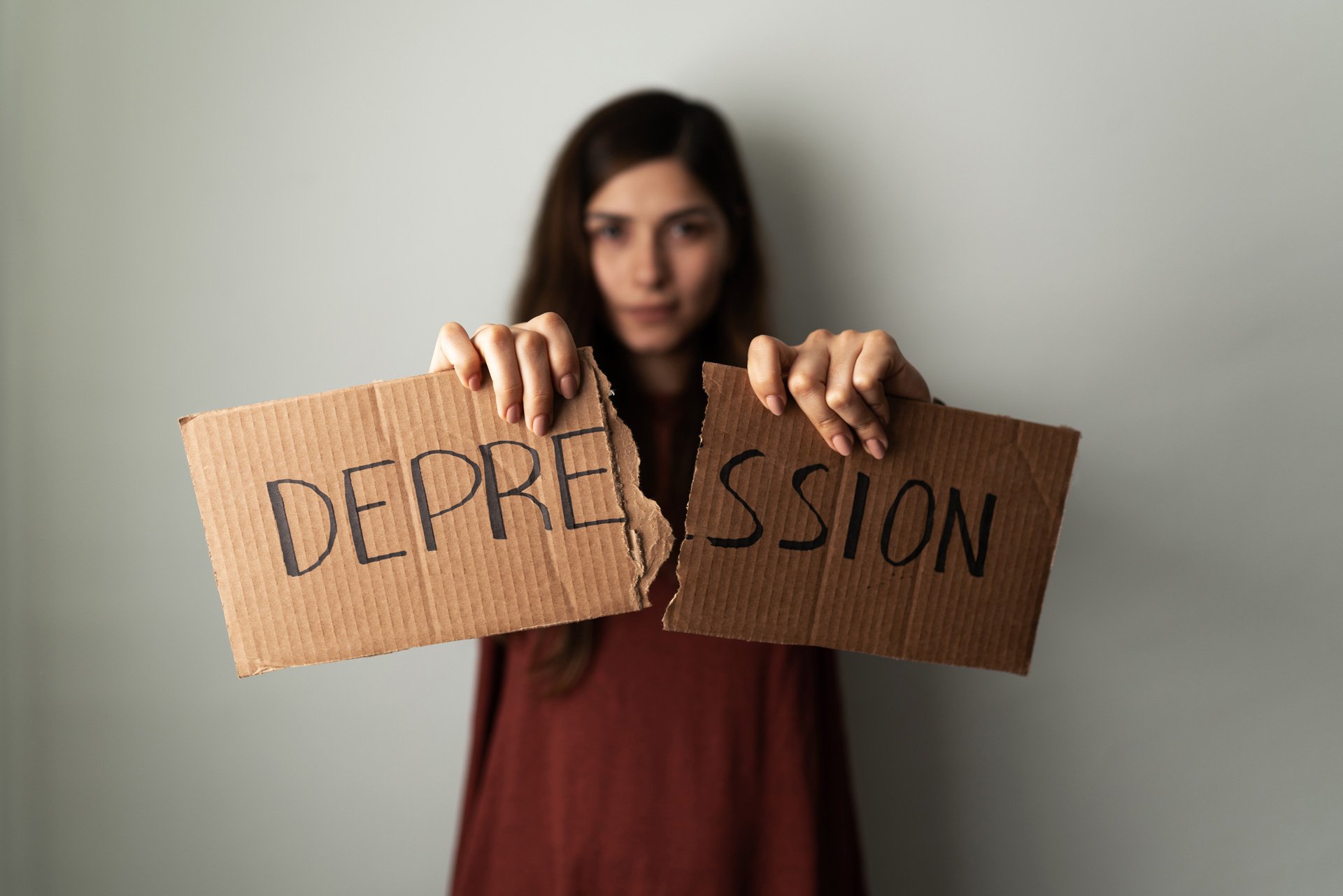
Depression isn’t always obvious. While many associate it with sadness or withdrawal, it can also show up in less recognizable ways—like irritability, fatigue, or even perfectionism. Understanding the subtle signs of depression is key to identifying when you or someone you care about may need support.
Depression affects millions of people, but not always in the ways we expect. For many, it doesn’t come with tears or isolation. Instead, it hides in day-to-day behavior changes—diminished motivation, chronic tiredness, or difficulty making decisions. If you’ve ever wondered whether you or someone you know might be struggling, recognizing the subtle signs of depression can make all the difference.
At Los Angeles Therapy Institute, we’ve seen how often depression goes unnoticed until it becomes overwhelming. That’s why this article is here: to help you identify the early warning signs that may not look like “typical” depression but still deserve care and attention.
Constant Fatigue That Isn’t Solved by Rest
One of the most commonly overlooked signs of depression is persistent fatigue. It’s more than just feeling tired—it’s a deep, ongoing exhaustion that doesn’t improve with a good night’s sleep or time off. This type of fatigue often affects concentration, memory, and productivity.
People experiencing this kind of tiredness may think they’re just overworked or getting older. But if you’re regularly waking up feeling drained, even without physical exertion, it could be a sign of underlying depression. This exhaustion is tied to the brain’s regulation of neurotransmitters, which depression can disrupt.
If someone you know seems to lack energy or drive—even for things they used to enjoy—it’s worth exploring whether depression might be at play.
Related: Setting Boundaries Without Guilt: A Therapist’s Perspective
Increased Irritability or Short Temper
Depression doesn’t always look like sadness. In many adults, especially men, it shows up as irritability, frustration, or unexplained anger. You might notice yourself snapping at small things, feeling restless in social settings, or becoming impatient more quickly than usual.
This emotional reactivity stems from the internal strain of coping with depressive thoughts. The mind is under pressure, and small triggers can lead to outsized responses. If your mood has shifted toward anger or you’re feeling more emotionally volatile, it could be a red flag for depression—even if you don’t feel “sad.”
Related: Group Therapy vs. Individual Therapy: Which Should You Try First?
Physical Aches and Pains Without Clear Cause
Surprisingly, depression can manifest as physical pain. Headaches, back pain, digestive issues, and joint discomfort often occur without an identifiable medical cause. This is because depression affects the brain’s perception of pain and can heighten physical sensitivity.
If you’ve been visiting doctors for pain that doesn’t resolve and tests come back normal, it may be time to consider whether emotional health is a contributing factor. When depression shows up in the body, it’s trying to communicate something your mind might be avoiding.
Related: How Movement-Based Therapy (Like Yoga or Dance) Supports Emotional Release
Loss of Interest in Meaningful Activities
People often associate depression with losing interest in hobbies or socializing. But the subtle version of this symptom can look like simply going through the motions—doing things out of obligation rather than enjoyment.
You might still attend events or complete tasks, but with a dull sense of detachment. Life may feel muted. This emotional numbing is a strong indicator of depression and is easy to overlook, especially in high-functioning individuals who keep up appearances.
If your days feel increasingly colorless, even if everything “looks fine” from the outside, it could signal an underlying struggle with depression.
Related: Couples Therapy for Empty Nesters: Reconnecting After the Kids Leave
Perfectionism and Overachievement
Sometimes, depression hides behind success. People who strive to always be productive, helpful, or high-performing may actually be battling feelings of inadequacy or emptiness. Perfectionism becomes a coping mechanism—one that masks deeper emotional distress.
Here are signs to watch for:
- Constantly working or staying busy to avoid emotional downtime
- Setting impossibly high standards for yourself
- Feeling like nothing is ever “good enough,” no matter how much you accomplish
- Struggling to relax or take breaks without guilt
If you relate to this, your drive for excellence might be rooted in a need to outrun feelings of depression. Addressing it can lead not only to emotional healing but also to a healthier relationship with success.
Difficulty Making Decisions or Feeling Mentally Foggy
Decision-making fatigue and mental fog are two symptoms that rarely get linked to depression, but they often go hand-in-hand. You might find yourself procrastinating more, struggling with focus, or feeling like your brain is running slower than usual.
This isn’t laziness or lack of intelligence—it’s a cognitive symptom of depression. The condition affects executive function, making it harder to prioritize, organize, or take action. Even small tasks can feel mentally overwhelming.
If daily decisions feel unusually burdensome, and your clarity has dimmed over time, depression may be the cause.
Quick Answers About Subtle Depression
What if I don’t feel sad—can I still be depressed?
Yes. Depression often presents without sadness. Symptoms like fatigue, irritability, or numbness are just as valid and should be taken seriously.
How can I tell if someone close to me is hiding depression?
Watch for behavior changes like withdrawal, short temper, or lack of interest in things they usually enjoy. Listen to how they talk about their energy, motivation, or mental clarity.
When should I seek professional help?
If symptoms are affecting daily functioning, relationships, or overall well-being for more than two weeks, it’s time to consult a mental health professional.
If you recognize any of these subtle signs of depression in yourself or someone you care about, know that you’re not alone—and help is available. At Los Angeles Therapy Institute, Clinical Director Soheila Hosseini, PhD, and her team provide compassionate, evidence-based care tailored to your needs. We also offer convenient locations in Santa Monica and Orange County to better serve our clients across Southern California.
Your mental health matters. Reach out today to schedule a confidential consultation.